Our Insights.
Latest news and updates.
From Agestrong Health Group and the broader healthcare industry.
You’re in your 80s. You’ve lived a full life. You’ve raised children, worked hard, contributed to your community. Now, in your final chapter, you find yourself in residential aged care—surrounded by structure, staff, and services designed to keep you “safe.”
In a sweeping wave of acquisitions, major health insurers like Medibank, Bupa, and Australian Unity are buying up allied health companies, general practices, and in-home care services. They’re building end-to-end healthcare ecosystems — and locking consumers and providers inside.
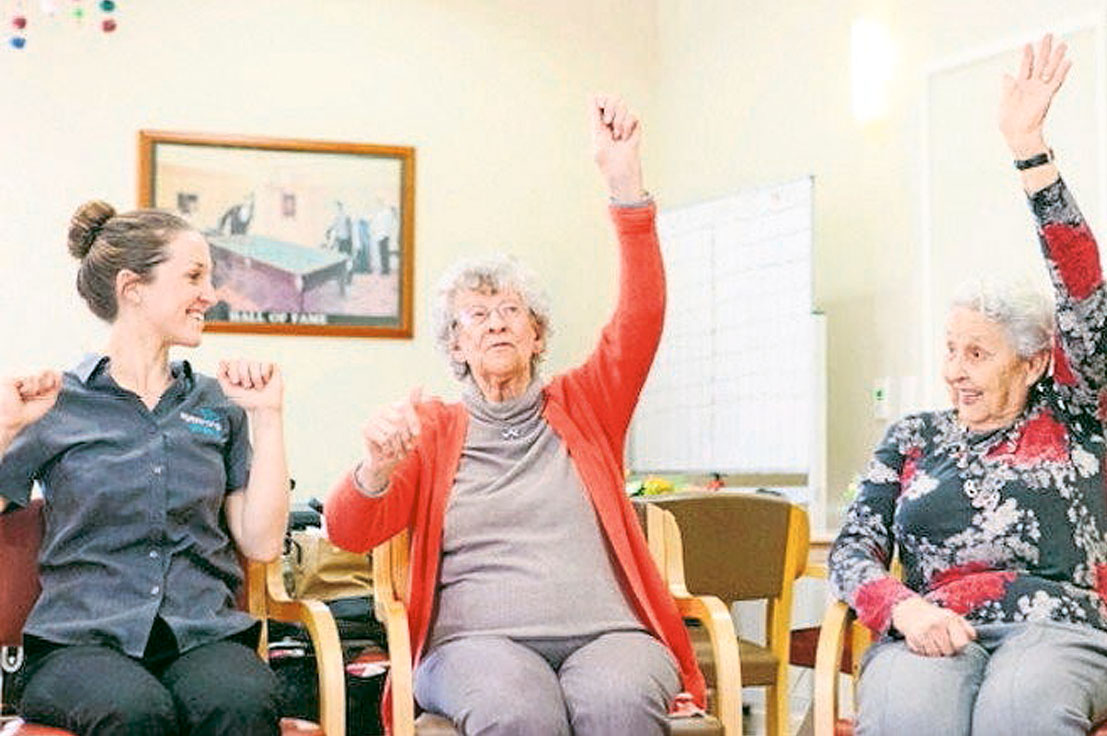
In residential aged care, promoting wellbeing through movement and physical activity is a shared goal across disciplines — and rightly so. However, when it comes to the assessment, prescription, and progression of exercise programs for conditions like sarcopenia, expertise matters.
The introduction of the Support at Home Program brings renewed focus on restoring independence and preventing functional decline for older Australians living in the community. However, there's a growing concern that those in residential aged care are being systematically overlooked when it comes to restorative care.
In the ever-evolving landscape of healthcare policy, change is inevitable. But when new eligibility criteria risk excluding some of our most vulnerable citizens, it’s worth pausing to ask: Are we getting it right?
Sarcopenia, the age-related decline in muscle mass and function, is a prevalent yet often overlooked condition among older Australians, particularly those residing in aged care facilities.
As state and federal governments struggle to contain ballooning budgets, their strategies to “fix” these systems—delays, price capping, centralised control—are creating ripple effects that threaten the very people these programs were built to serve.
Despite being one of the fastest-growing workforces in the Australian healthcare system, allied health continues to face scrutiny over accessibility and equity of service provision.
Australia's allied health sector – the cornerstone of therapeutic care across both the National Disability Insurance Scheme (NDIS) and Aged Care sector– is under siege.